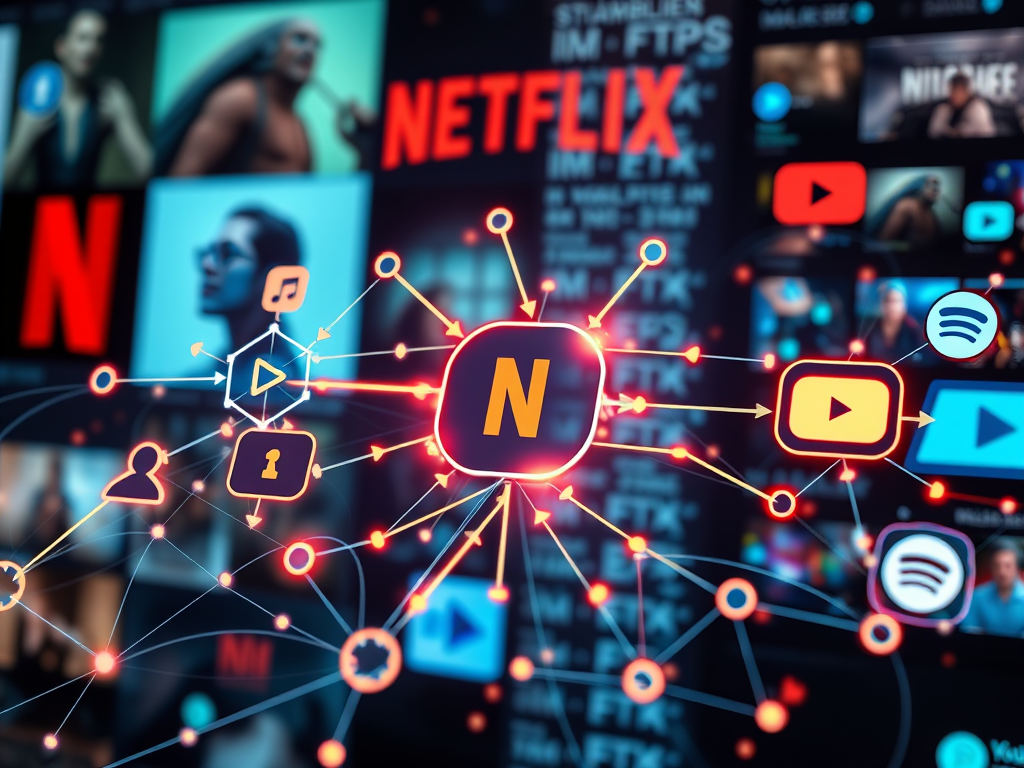
Why Recommendations Run Your Digital Life
Every time Netflix suggests your next binge, YouTube queues a video you didn’t know you wanted, or Spotify drops a playlist that feels too accurate, you’re experiencing the power of AI recommendation systems.
These systems are not magic. They are carefully designed machine learning models trained to predict what you’re most likely to engage with next. In today’s attention economy, recommendation algorithms are one of the most valuable applications of artificial intelligence.
This article explains how AI recommendation systems work, step by step, using real-world examples from Netflix, YouTube, and Spotify.
What Is an AI Recommendation System?
An AI recommendation system is a type of machine learning system that:
- Analyzes user behavior
- Learns patterns across millions of users
- Predicts items a user is most likely to enjoy
- Continuously improves with new data
The goal is personalization at scale – delivering relevant content to each individual user in real time.
Common examples include:
- Movies and TV shows (Netflix)
- Videos (YouTube)
- Music and podcasts (Spotify)
- Products (Amazon)
- Posts (Instagram, TikTok)
The Core Data Behind Recommendations
Before any AI model works, it needs data. Recommendation systems rely heavily on behavioral data, not personal opinions.
Typical inputs include:
- What you watch, listen to, or click
- How long you engage with content
- Likes, dislikes, skips, replays
- Search history
- Time of day and device type
- Similar users’ behavior
The more data you generate, the better the system understands your preferences.
The Three Main Types of Recommendation Algorithms
Most modern platforms use a hybrid approach, combining multiple techniques. But fundamentally, recommendations are built on three core methods.
1. Collaborative Filtering (The “People Like You” Model)
Collaborative filtering recommends items based on similarities between users.
Example:
“Users who watched Stranger Things also watched Dark.”
How it works:
- The system groups users with similar behavior
- Finds patterns in shared interests
- Recommends content liked by similar users
There are two main types:
- User-based: Find users like you
- Item-based: Find items similar to what you liked
Strengths:
- Very effective at scale
- Discovers content you’ve never searched for
Limitations:
- Cold start problem (new users or new content)
- Requires large datasets
Netflix and YouTube rely heavily on this approach.
2. Content-Based Filtering (The “Because You Like X” Model)
Content-based filtering focuses on what you personally like, not other users.
Example:
“Because you like sci-fi thrillers with strong female leads…”
How it works:
- Content is tagged with features (genre, tempo, actors, mood)
- Your past behavior builds a preference profile
- Recommendations match your profile
Spotify uses this extensively by analyzing:
- Audio features (tempo, pitch, energy)
- Genres and moods
- Listening history
Strengths:
- Works well for niche preferences
- No dependency on other users
Limitations:
- Can become repetitive
- Less discovery outside your comfort zone
3. Hybrid Recommendation Systems (The Industry Standard)
Modern platforms combine collaborative + content-based filtering using machine learning models.
This hybrid approach:
- Reduces weaknesses of each method
- Improves accuracy
- Handles cold start better
- Enables real-time personalization
Netflix, YouTube, and Spotify all use hybrid AI recommender systems.
How Machine Learning Powers Recommendations
At scale, rule-based systems fail. That’s where machine learning comes in.
Common ML Models Used
- Matrix factorization
- Neural networks
- Embedding models
- Deep learning ranking models
- Reinforcement learning (for exploration vs exploitation)
These models learn:
- Which features matter most
- How preferences evolve over time
- How context affects choices
For example:
- Late-night recommendations differ from daytime
- Mobile behavior differs from TV behavior
Real-World Examples
Netflix Recommendation Algorithm
Netflix optimizes for watch time and completion rate, not just clicks.
It considers:
- Viewing history
- Time spent watching
- Devices used
- Search behavior
- Artwork personalization (yes, even thumbnails are AI-driven)
Netflix also runs continuous A/B testing, meaning the algorithm itself is constantly evolving.
YouTube Recommendation Algorithm
YouTube is driven by engagement-based AI.
Key signals include:
- Watch time
- Click-through rate
- Likes, comments, shares
- Session duration (how long you stay on YouTube)
The algorithm predicts:
“What video will keep this user watching longer?”
This makes YouTube one of the most advanced real-time recommendation systems in the world.
Spotify Recommendation Algorithm
Spotify combines:
- Collaborative filtering
- Natural language processing (playlist titles, blogs, reviews)
- Audio signal processing
Features like Discover Weekly use:
- User taste clusters
- Audio similarity models
- Freshness and novelty scoring
The result feels deeply personal — and that’s by design.
Feedback Loops: Why Recommendations Keep Improving
Every interaction is feedback.
- You click → positive signal
- You skip → negative signal
- You replay → strong positive signal
This creates a continuous learning loop, where models retrain and adjust predictions.
However, feedback loops also create risks:
- Filter bubbles
- Over-personalization
- Reduced diversity
Platforms now actively balance relevance vs exploration.
Why Recommendation Systems Matter So Much
From a business perspective:
- Increase engagement
- Improve retention
- Drive revenue
- Reduce choice overload
From a user perspective:
- Save time
- Improve experience
- Surface relevant content
That’s why recommendation systems are considered core AI infrastructure, not just features.
Final Thoughts
AI recommendation systems are one of the most impactful, real-world uses of artificial intelligence today. Behind every “You might like this” lies:
- Massive datasets
- Sophisticated machine learning
- Constant experimentation
- Real-time decision-making
Understanding how they work helps you:
- Use platforms more intentionally
- Build better AI products
- Appreciate the intelligence behind everyday tech
Leave a Reply